




Drug Possession vs. Distribution Charges in Colorado: What’s the Difference?
If you’re facing drug charges in Colorado, one of the most important distinctions is whether you’re accused of possession or distribution.
The difference can mean:
- Misdemeanor vs. felony
- Probation vs. prison
- Thousands of dollars in fines
- Immigration consequences
- Loss of firearm rights
- Career-ending consequences for military members and professionals
Here’s what you need to know.
What Is Drug Possession in Colorado?
Drug possession means you knowingly had a controlled substance for personal use.
This can include:
- Cocaine
- Methamphetamine
- Ketamine
- Heroin
- Fentanyl
- Unauthorized prescription drugs
- Certain amounts of marijuana (over legal limits)
Colorado categorizes drug possession primarily by:
- Type of drug (Schedule I–V)
- Weight
- Prior convictions
Most low-level possession charges are classified as Level 1 Drug Misdemeanors, but larger amounts can become felonies.
What Is Drug Distribution (or Intent to Distribute)?
Distribution is much more serious.
It includes:
- Selling drugs
- Delivering drugs
- Manufacturing drugs
- Possessing drugs with intent to distribute
You do not have to be caught in the act of selling to be charged with distribution.
Prosecutors often rely on circumstantial evidence like:
- Large quantities
- Packaging materials (baggies, scales)
- Large amounts of cash
- Text messages
- Multiple types of drugs
Even without a completed sale, police may charge possession with intent to distribute, which is typically a felony.
Key Differences: Possession vs Distribution
| Factor | Possession | Distribution |
|---|---|---|
| Purpose | Personal use | Sale or transfer |
| Typical Charge Level | Misdemeanor (sometimes felony) | Felony |
| Prison Risk | Lower | Significant |
| Fines | Lower | Much higher |
| Long-Term Impact | Serious | Life-altering |
When Does Possession Become Distribution?
This is where many people get blindsided.
A charge can escalate based on:
- Weight thresholds
- Packaging evidence
- Prior drug convictions
- Statements made to police
- Social media or phone evidence
Even sharing drugs with a friend can legally qualify as “distribution.”
Military Consequences in Colorado Springs
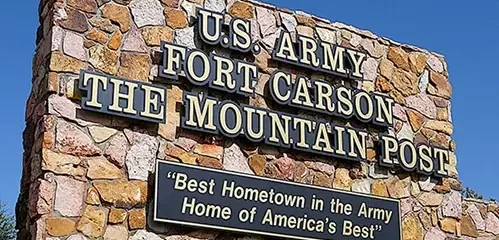
If you are stationed at:
- Fort Carson
- Peterson Space Force Base
- Schriever Space Force Base
- United States Air Force Academy
Drug distribution allegations can trigger:
- Command notification
- Administrative separation
- Security clearance suspension
- Court-martial under the UCMJ
Even misdemeanor possession can impact your military career.
Firearm Consequences
Felony drug convictions can result in:
- Loss of firearm rights
- Federal firearm prohibitions
- Employment consequences for law enforcement
For active-duty military and officers, this can end careers.
Immigration Consequences
Drug distribution is often considered a deportable offense.
Consequences may include:
- ICE custody after arrest
- Removal proceedings
- Inadmissibility
- Loss of green card status
Even some possession charges can qualify as crimes of moral turpitude or controlled substance violations under federal law.
What Prosecutors Must Prove
For possession:
- You knowingly possessed the substance
- It was a controlled substance
- The amount meets the charged level
For distribution:
- You knowingly sold, transferred, or intended to sell
- The substance was illegal
- The evidence supports intent
Intent is often the battleground in these cases.
Defenses to Drug Charges
Potential defenses may include:
- Illegal search and seizure
- Traffic stop violations
- Lack of knowledge
- Insufficient evidence of intent
- Entrapment
- Lab testing errors
In many cases, charges can be reduced from distribution to possession — or dismissed entirely.

Charged With Drug Possession or Distribution?
The difference between possession and distribution can determine whether you face probation or years in prison.
Early intervention by an experienced criminal defense attorney can significantly affect the outcome of your case.
If you or someone you love has been arrested in El Paso County, Teller County, or elsewhere in Colorado, call Pav Law at (719) 888-7888 for a confidential consultation.
