



Colorado DUI & DWAI Defense Lawyer
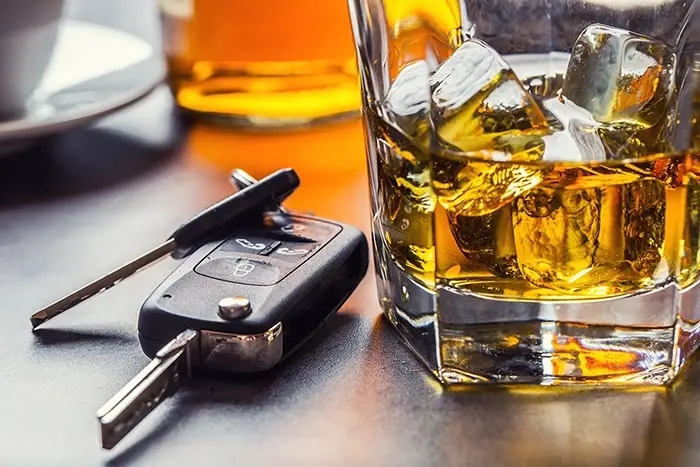
A DUI or DWAI charge in Colorado can affect your driver’s license, your criminal record, your employment, and your future. Even a first-time offense can carry jail exposure, probation, fines, and mandatory alcohol education requirements.
At Pav Law, we defend clients throughout Colorado against DUI and DWAI charges. Our team builds strategic, trial-ready defenses designed to protect your license and your freedom. If you want to learn more about our approach to DUI defense, visit our Top DUI Defense Attorney in Colorado page for a deeper look at our strategy and experience.
DUI vs. DWAI in Colorado
Colorado recognizes two primary impaired driving charges:
DUI (Driving Under the Influence)
A DUI charge typically involves:
- A blood alcohol content (BAC) of 0.08% or higher
- Or substantial impairment due to alcohol or drugs
DWAI (Driving While Ability Impaired)
A DWAI charge involves:
- A BAC of 0.05% or higher
- Or slight impairment
Even a DWAI conviction carries criminal penalties and DMV consequences.
DUI Involving Drugs (DUID)
Colorado law also prohibits driving under the influence of drugs, including:
- Marijuana
- Prescription medications
- Illegal controlled substances
Drug DUI cases often rely heavily on officer observations and blood testing. These cases frequently hinge on interpretation, laboratory procedure, and expert testimony.
The Two Cases: Criminal Court & DMV
Every DUI case in Colorado involves two separate proceedings:
1. Criminal Case
Handled in county or district court. This determines criminal penalties.
2. DMV Administrative Case
Also known as an express consent hearing, these cases are handled through the Colorado Division of Motor Vehicles. This determines license suspension.
You have a limited window after arrest to request a DMV hearing. Failing to act quickly can result in automatic license suspension.
We handle both proceedings strategically and simultaneously.
DUI Consequences for Immigrants
For non-citizens, a DUI conviction can carry immigration consequences beyond the criminal penalties.
While a first-time DUI is not automatically a deportable offense, complications may arise if:
- The DUI involves drugs
- There are prior convictions
- The charge includes allegations of injury
- There is an admission of substance abuse issues
- Federal immigration authorities treat the offense as a crime involving moral turpitude
Certain DUI-related offenses can affect:
- Green card renewals
- Naturalization eligibility
- Visa status
- Reentry into the United States after travel abroad
Federal immigration enforcement priorities continue to evolve, and proposed legislation has sought to impose harsher consequences for non-citizens convicted of DUI offenses.
If you are not a U.S. citizen, it is critical to address both the criminal and immigration implications before resolving your case.
Field Sobriety and Chemical Testing Issues
DUI arrests often involve:
- Standardized Field Sobriety Tests
- Portable breath tests
- Breathalyzer machines
- Blood draws
We analyze:
- Whether the traffic stop was lawful
- Whether testing procedures were properly followed
- Whether machines were calibrated correctly
- Whether blood samples were handled appropriately
- Whether your constitutional rights were respected
Testing errors and procedural violations can significantly impact the outcome of a DUI case.
Aggravating Factors
Certain factors increase penalties, including:
- BAC of 0.15% or higher (Persistent Drunk Driver designation)
- Prior DUI convictions
- Refusal to submit to testing
- Accident involving injury
- Minor passengers in the vehicle
Repeat or aggravated DUI cases carry enhanced sentencing requirements and longer license consequences.
How Pav Law Defends DUI Charges
When you hire Pav Law, we:
- Conduct an immediate case evaluation
- Preserve your DMV hearing rights
- Review dash cam and body cam footage
- Analyze chemical testing procedures
- Challenge unlawful stops
- Negotiate strategically or prepare aggressively for trial
We prepare every DUI case as if it may go to trial.
Early Action Protects Your Future
DUI cases involve strict deadlines and technical evidence. Acting quickly allows us to:
- Protect your driver’s license
- Preserve suppression arguments
- Influence charging decisions
- Protect employment and immigration status
Waiting can limit your options.

Speak With a Colorado DUI Defense Lawyer Today
If you are facing DUI or DWAI charges anywhere in Colorado, do not face the system alone.
📞 Call Pav Law today to request your free case evaluation.
We will review your case, explain your options clearly, and begin building a defense strategy designed to protect your freedom and your future.
🗺️Click here to view our service areas.
⚖️Click here to view all our areas of practice.
Pages Related to DUI & DWAI
Frequently asked questions about DUI & DWAI in Colorado
What is the difference between a DUI and DWAI in Colorado?
In Colorado, a DUI (Driving Under the Influence) requires proof that a driver was substantially impaired by alcohol or drugs, or had a blood alcohol content (BAC) of 0.08% or higher. A DWAI (Driving While Ability Impaired) is a lesser charge that applies when a driver’s BAC is between 0.05% and 0.079%, or when there is evidence of slight impairment. Both charges carry criminal penalties and DMV consequences, but DWAI typically carries lighter penalties than DUI.
What are the penalties for a first DUI in Colorado?
A first DUI conviction in Colorado is a misdemeanor and can carry:
- 5 days to 1 year in jail
- Fines between $600 and $1,000 plus court costs
- 48 to 96 hours of community service
- 9 months of probation
- Mandatory alcohol education classes
- 9-month license revocation
If your BAC was 0.15% or higher, you may be designated a Persistent Drunk Driver, which carries additional requirements including an ignition interlock device.
Will I lose my license after a DUI in Colorado?
Possibly, but not automatically — and acting quickly can make a significant difference. Colorado has two separate processes that can affect your license: the criminal case in court, and an administrative DMV hearing called an express consent hearing. You have only 7 days from your arrest to request a DMV hearing. If you do not request one, your license will be automatically suspended. An attorney may be able to help you retain your driving privileges or reduce the length of any suspension.
How long does a DUI stay on your record in Colorado?
In Colorado, a DUI conviction stays on your criminal record permanently unless it is sealed. Colorado law does allow for sealing of certain DUI convictions under limited circumstances, but it is not automatic and eligibility depends on the specific charge and outcome of your case. For driving record purposes, a DUI conviction in Colorado is counted as a prior offense for life — meaning any future DUI charges will be treated as repeat offenses regardless of how many years have passed.
Can a DUI be dismissed in Colorado?
Yes, DUI charges can be dismissed or reduced in Colorado, though it depends on the specific facts of your case. Common grounds for dismissal or reduction include:
- An unlawful traffic stop
- Improper administration of field sobriety tests
- Faulty or improperly calibrated breathalyzer equipment
- Mishandling of blood samples
- Violations of your constitutional rights during the arrest
An experienced DUI attorney will review every aspect of your case to identify weaknesses in the prosecution’s evidence.
What happens if I refuse a breathalyzer in Colorado?
Colorado has an express consent law, which means that by driving on Colorado roads you have implicitly agreed to chemical testing if law enforcement has probable cause to believe you are impaired. If you refuse a breathalyzer or blood test:
- Your license will be automatically revoked for one year for a first refusal
- Two years for a second refusal within 5 years
- Refusal can be used as evidence against you in court
However, refusal does eliminate the chemical test result as direct evidence of your BAC, which may affect how the prosecution builds its case.
What is a Persistent Drunk Driver in Colorado?
In Colorado, a Persistent Drunk Driver (PDD) designation applies when a driver has a BAC of 0.15% or higher at the time of arrest, or when a driver has two or more prior DUI or DWAI convictions. A PDD designation triggers additional penalties including:
- Mandatory installation of an ignition interlock device
- Completion of a Level II alcohol education and therapy program
- A longer period of monitored sobriety
The PDD designation significantly increases the complexity of your case and the importance of having experienced legal representation.
Can a DUI affect my immigration status in Colorado?
Yes, a DUI conviction can have serious immigration consequences for non-citizens. While a standard first-time DUI is not automatically a deportable offense, complications can arise if:
- The DUI involved drugs
- You have prior convictions
- The charge involves allegations of injury
- Federal immigration authorities classify the offense as a crime involving moral turpitude
A DUI can affect green card renewals, naturalization eligibility, visa status, and reentry into the United States after travel abroad. If you are not a U.S. citizen, it is critical to consult with a criminal defense attorney before resolving your case. Learn more about DUI and immigration status in Colorado.
How much does a DUI lawyer cost in Colorado?
The cost of a DUI attorney in Colorado varies depending on the complexity of the case, whether it goes to trial, and the jurisdiction where the charge was filed. Most DUI cases that are resolved without trial cost between $3,000 and $7,000 in attorney fees. Cases that go to trial can cost significantly more. At Pav Law, we offer flat-fee pricing on most DUI cases and are happy to provide a clear estimate after reviewing the facts of your case. Call (719) 888-7888 for a free case evaluation.
What should I do immediately after a DUI arrest in Colorado?
After a DUI arrest in Colorado, the most important steps are:
- Do not make any statements to law enforcement without an attorney present.
- Contact a criminal defense attorney as soon as possible — ideally within 24 hours.
- Request a DMV express consent hearing within 7 days of your arrest to protect your driving privileges. Failing to request this hearing within 7 days results in automatic license suspension.
- Write down everything you remember about the stop, the field sobriety tests, and the arrest while the details are fresh.
Acting quickly significantly improves your options. Contact Pav Law today for a free case evaluation.
DUI charges for military members
Can a DUI affect my military career?
Yes, a DUI conviction can have serious consequences for active duty military members and veterans. The military may take its own disciplinary action independent of civilian court proceedings, including non-judicial punishment under Article 15 of the UCMJ, demotion, loss of pay, or administrative separation. A DUI conviction can also result in restrictions on base access, mandatory counseling or treatment programs, and impact on reenlistment eligibility. The military takes alcohol-related incidents seriously, and the consequences often go beyond what a civilian would face for the same charge. Learn more about how we defend active duty military members.
Can I lose my security clearance because of a DUI?
A DUI can put your security clearance at risk, though it does not automatically result in revocation. Security clearance adjudicators evaluate DUI incidents under the alcohol consumption guideline, looking at factors including the severity of the incident, whether it is part of a pattern of behavior, and whether you have taken steps to address any underlying issues. A single isolated DUI is less likely to result in clearance revocation than multiple incidents or evidence of a pattern of alcohol abuse. However, failing to self-report a DUI arrest when required can itself be grounds for revocation. An attorney can help you understand your reporting obligations and how to present your case to adjudicators.
Can a DUI get me discharged from the military?
Yes, a DUI can result in discharge from the military, though the outcome depends on the circumstances, your service record, and how the case is handled. A civilian DUI conviction can trigger an administrative separation board, particularly if it is not your first alcohol-related incident or if it is accompanied by other misconduct. The type of discharge — honorable, general, or other than honorable — can have lasting consequences for veterans’ benefits, employment, and reputation. It is important to have legal representation in both the civilian criminal case and any military administrative proceedings. Contact Pav Law to speak with an attorney who understands military DUI cases.