



Denver Ramping Up Photo Radar Enforcement: What Colorado Drivers Should Know
Automated traffic enforcement is expanding across Colorado. A recent report from 9NEWS highlights how the City of Denver is significantly increasing the use of photo radar speed enforcement, raising questions for drivers throughout the state—including here in Colorado Springs.
If you drive in Colorado, it’s important to understand how photo radar tickets work, what penalties they carry, and what your options are if you receive one.
Below is what every driver should know.
Denver Is Increasing Automated Speed Enforcement
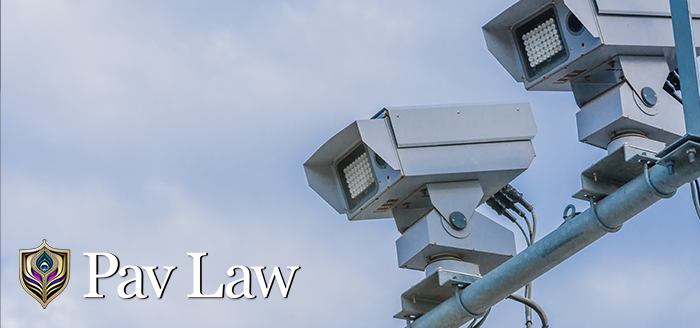
According to the 9News report, Denver plans to expand the use of photo radar vans and automated speed enforcement systems across the city. These systems capture images of vehicles that appear to be speeding and automatically generate citations sent to the vehicle’s registered owner.
Currently:
- The standard fine for a photo radar ticket is $40
- The fine increases to $80 in school zones
City officials say the program is intended to improve road safety and reduce speeding, particularly in high-risk areas like school zones and residential streets.
However, automated enforcement programs have also drawn criticism from drivers and policy advocates who question whether the systems prioritize revenue generation over safety improvements.
How Photo Radar Tickets Work in Colorado
Colorado law allows municipalities to enforce certain traffic violations using Automated Vehicle Identification Systems (AVIS), which include photo radar vans and red-light cameras.
Here’s how these systems generally work:
- A camera detects a vehicle exceeding the speed limit.
- The system photographs the vehicle and license plate.
- A notice of violation is mailed to the registered owner of the vehicle.
- The ticket carries a civil penalty, not a criminal charge.
Because these violations are civil in nature:
- They do not add points to your driver’s license.
- They typically involve smaller fines compared to traditional speeding tickets.
In some cases, drivers may receive a warning instead of a citation, especially for minor violations under 10 mph over the speed limit.
Why These Tickets Can Be Confusing for Drivers
Photo radar tickets are different from traditional traffic stops. Many drivers are surprised when a citation arrives weeks later in the mail.
Common questions include:
- Was I actually driving the vehicle?
- Do I have to pay the ticket immediately?
- Can I challenge a photo radar citation?
- What happens if I ignore it?
Because the ticket is issued based on the vehicle registration rather than the driver, disputes sometimes arise when someone else was behind the wheel at the time of the alleged violation.
Understanding your legal rights is essential before simply paying a ticket.
Automated Enforcement Is Expanding Across Colorado
Denver isn’t the only jurisdiction relying more heavily on automated traffic enforcement.
Colorado has been experimenting with automated speed enforcement programs, including camera systems used in construction zones and high-risk corridors. Some of these programs issue civil penalties of about $75 for vehicles traveling 10 mph or more over the speed limit.
The goal of these programs is to reduce speeding-related crashes and improve safety for drivers, road workers, cyclists, and pedestrians.
Still, the rapid expansion of these technologies means more Colorado drivers may soon receive camera-based citations.
What To Do If You Receive a Photo Radar Ticket
If you receive a photo radar ticket in Colorado, you generally have several options:
1. Review the citation carefully
Check the alleged violation, date, location, and photographic evidence.
2. Determine whether you were driving
In some cases, the registered owner may not have been the driver.
3. Consider whether the citation can be challenged
Errors in the notice, service issues, or other legal defenses may apply.
4. Respond before the deadline
Ignoring any legal notice can lead to additional penalties or collection actions.
Areas Where Denver Drivers Are Most Likely to Receive a Photo Radar Ticket
According to reporting from 9NEWS, Denver officials have identified several corridors where photo radar enforcement is most frequently deployed. These locations were selected because of speeding complaints, crash data, and pedestrian safety concerns.
The areas where drivers are most likely to encounter photo radar vans include:
- 3000–3800 East 17th Avenue (eastbound)
- 1300–2200 East 1st Avenue
- 5800–5900 Central Park Boulevard
- 15300–16200 Green Valley Ranch Boulevard (westbound)
- 4400–4500 Pecos Street
These corridors have historically generated a high number of speeding violations, which is why enforcement is often concentrated there.
City officials say the goal is to slow traffic in areas with heavy pedestrian activity, residential neighborhoods, and school zones.
However, critics argue that expanding automated enforcement could result in more drivers receiving tickets without ever being pulled over by an officer, raising ongoing questions about fairness and accountability.
Why This Matters for Colorado Drivers
While this enforcement increase is happening in Denver, the broader trend is important for drivers throughout Colorado. Many municipalities are considering expanded use of automated speed enforcement, and similar programs could appear in additional cities in the coming years.
For drivers traveling between cities like:
- Denver
- Colorado Springs
- Aurora
- Lakewood
- Westminster
this means automated enforcement may become a more common part of everyday driving.

Charged With a Traffic Offense in Colorado?
While photo radar citations are civil violations, some traffic allegations—including reckless driving, excessive speeding, or DUI—can quickly escalate into criminal charges.
If you are facing a serious traffic offense in Colorado Springs, El Paso County, or surrounding areas, it’s important to speak with an experienced defense attorney as soon as possible.
Pav Law provides aggressive and strategic defense for clients facing criminal and traffic charges throughout Colorado. Call our office today at (719) 888-7888.

Leave a Reply
Your email is safe with us.